Which Facial Treatment Is Right for Your Skin?
Choosing a Facial Starts With Your Skin
“Which facial should I book?” is one of the questions I am asked most often. With peels, microneedling, dermaplaning, laser facials and LED all on offer, it is hard to know where to start, and the right choice depends far more on your skin than on what is popular.
This guide matches the most common skin concerns to the facials most likely to help, and explains what to expect, how often to book and how to look after your skin afterwards. You can see every treatment I offer on my clinical facials in Coventry page.
If you are still unsure, book a free consultation. I'll look at your skin up close, talk through what you would like to change and carry out any patch tests needed before we decide.
Clinical Facial or Spa Facial?
A spa facial is about relaxation: cleansing, massage, masks and time to switch off. My spa treatments, including Esse facials and massage, are perfect when that is what you need.
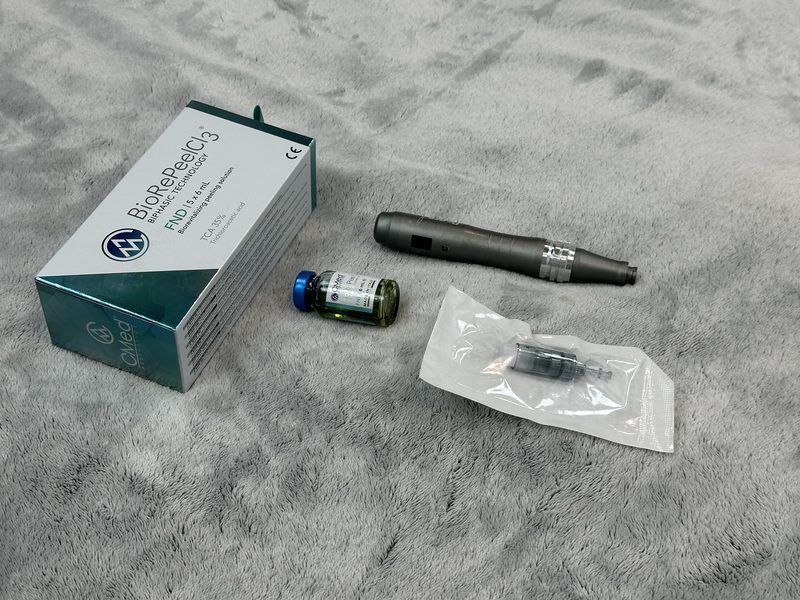
A clinical facial is focused on results. It uses active treatments such as chemical peels, microneedling or light-based technology to work on a specific concern, such as breakouts, pigmentation or fine lines, usually as part of a course. Many clients mix the two.
Match the Facial to Your Skin Concern
Dull, tired-looking skin
Dermaplaning removes dead skin cells and fine facial hair for an instant glow and smoother make-up. A carbon laser facial refreshes dull, congested skin, and a glycolic acid peel brightens skin that is used to exfoliating.
Fine lines and loss of firmness
My Lift, Sculpt & Glow Facial combines radio frequency with a lifting facial massage and Esse active skincare, for skin that looks firmer and more lifted. Microneedling encourages new collagen over a course of treatments. For loose skin around the jawline and neck, plasma skin tightening is a separate, more targeted option.
Breakouts and oily skin
A salicylic acid peel works inside the pores to clear congestion, and acne facials combine deep cleansing with targeted peels. For persistent breakouts, I build a wider acne treatment plan. If your acne is severe, painful or scarring, please see your GP or a dermatologist as well.
Sensitive or reactive skin
An enzyme peel is the gentlest professional exfoliation, and a lactic acid peel is hydrating as well as brightening. LED red light therapy is a soothing, relaxing addition to any facial. I always patch test sensitive skin first.
Pigmentation and uneven skin tone
IPL, chemical peels and microneedling can all help, but the right one depends on your type of pigmentation and your skin tone. I explain the differences in my guide to IPL, chemical peels and microneedling for pigmentation, and my pigmentation treatment page covers how I plan treatment.
Acne scarring and uneven texture
Microneedling improves the look of scarring and uneven texture over a course of treatments, and can be combined with peels. My scar treatment page has more detail.
Enlarged pores and congestion
A carbon laser facial or a salicylic acid peel helps clear congested pores and refine their look. Pore size is largely genetic, so the aim is clearer, smoother-looking skin rather than permanently smaller pores.
At a Glance
| Skin concern | Facials to consider |
|---|---|
| Dull, tired-looking skin | Dermaplaning, carbon laser facial, glycolic acid peel |
| Fine lines and loss of firmness | Lift, Sculpt & Glow Facial, microneedling, glycolic acid peel |
| Breakouts and oily skin | Salicylic acid peel, acne facial, carbon laser facial |
| Sensitive or reactive skin | Enzyme peel, lactic acid peel, LED red light |
| Pigmentation and uneven tone | IPL, chemical peels, microneedling |
| Acne scarring and texture | Microneedling, chemical peels |
| Enlarged pores and congestion | Carbon laser facial, salicylic acid peel |
If You've Never Had a Clinical Facial
Start with a consultation. Gentle options such as dermaplaning, an enzyme or lactic acid peel, or LED let your skin get used to treatment before we move on to anything stronger.
Before your appointment:
- Tell me about any medication you take, including acne treatments, and any skin conditions or allergies
- Stop using retinol and exfoliating acids for a few days beforehand, unless I advise otherwise
- Avoid sunbeds and fake tan on your face for the week before
- Let me know if you are pregnant or breastfeeding, as some treatments need to wait
How Often Should You Have a Facial?
For most people, every four to six weeks works well. That fits your skin's natural renewal cycle, so each treatment builds on the last. Peels and microneedling are usually booked as a course, and block booking discounts are available. If you have a specific concern, I'll suggest a schedule at your consultation.
Booking a Facial Before a Special Occasion
Timing matters before a wedding, holiday or big event:
- Dermaplaning or LED: a few days before, for a fresh glow with no downtime
- Chemical peels and microneedling: at least one to two weeks before, so any redness or flaking has settled
- Never try a new treatment for the first time just before an important day
Aftercare That Protects Your Results
- Wear SPF 30 or higher every day, especially after peels and microneedling
- Avoid saunas, steam rooms, hot baths and intense exercise for 24 to 48 hours
- Don't pick or peel flaking skin; let it come away naturally
- Use a gentle cleanser and moisturiser, and save active products until your skin has settled
What you eat and drink shows in your skin too. As a nutritional therapist, I can look at your diet alongside your skin treatment if you would like extra support.
Your Questions Answered
Do clinical facials hurt?
Most are comfortable. You may feel tingling during a peel, a warm snap during a laser facial, and light pressure with microneedling, where I apply numbing cream first.
Is there any downtime?
Dermaplaning, LED and carbon laser facials usually have none. Peels can cause a few days of light flaking, and microneedling a day or two of redness.
Can I combine treatments?
Yes. Many of my facials combine treatments, such as dermaplaning before a peel or LED after microneedling. I'll plan the combination around your skin.
Who are clinical facials suitable for?
My clinical facials are for adults aged 18 and over, and every new client starts with a consultation so I can check a treatment is right for you.
Book a Facial Consultation
Your first consultation is free, with no obligation. I'll look at your skin up close, talk through what you would like to change and recommend the facial that suits you.