LACTIc Acid Peel Coventry
At The Skinutrition Clinic we provide Lactic Acid peels as part of a holistic approach to healthy looking skin
LACTIC ACID PEELS
If you're seeking effective skin rejuvenation but have sensitive, reactive, or dry skin that hasn't responded well to other treatments, lactic acid peels offer the perfect solution. As one of the gentlest yet most effective professional chemical peels available, lactic acid delivers impressive results without the intensity or discomfort associated with stronger exfoliating treatments.
At The Skinutrition Clinic in Coventry, we specialise in lactic acid peel treatments that are ideal for pigmentation in sensitive skin types, first-time peel users, or anyone who values a more comfortable treatment experience. Derived from milk and used for centuries in skincare—think of Cleopatra's legendary milk baths—lactic acid is a natural alpha-hydroxy acid that exfoliates whilst simultaneously hydrating your skin, making it uniquely suited to those with dry or dehydrated complexions.
It's important to understand that "gentle" doesn't mean ineffective. Lactic acid peels deliver real, visible improvements in skin tone, texture, brightness, and hydration. The difference lies in how they achieve these results—with a slower, more controlled action that respects your skin's sensitivity whilst still promoting the cellular renewal and collagen stimulation that create lasting transformation.
Whether you're new to professional peels and want a reassuring introduction, or you've experienced irritation with other treatments and need a gentler approach, lactic acid peels at Skinutrition offer the perfect balance of efficacy and comfort. Our consultation-led approach ensures your treatment is personalised to your skin's unique needs, whilst our holistic philosophy addresses your skin health from every angle.
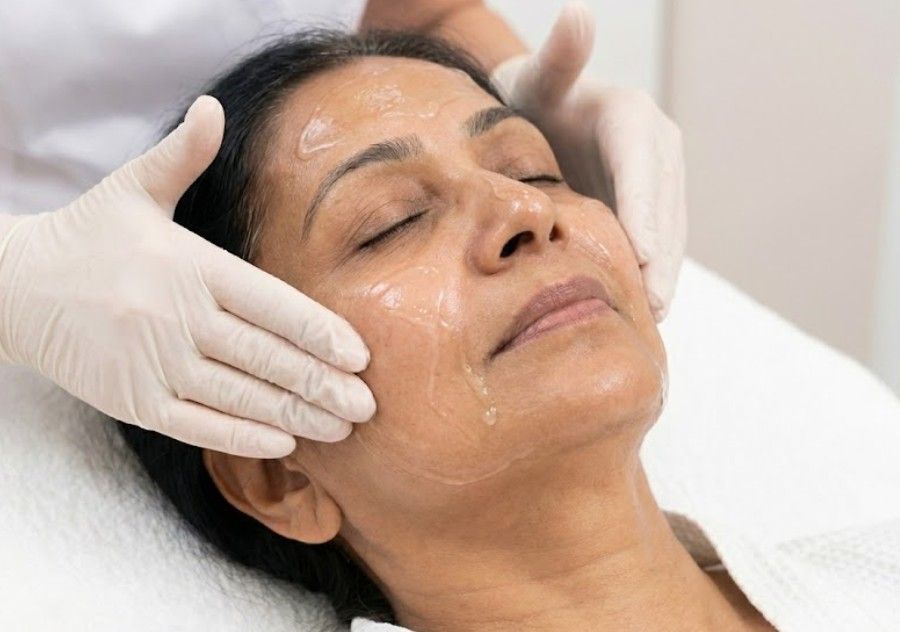
Lactic Peel near me
If you are looking for a lactic peel near me in Coventry or the surrounding area contact The Skinutrition Clinic today to arrange a FREE consultation
What Is a Lactic Acid Peel?
A lactic acid peel is a professional chemical exfoliation treatment that uses lactic acid—an alpha-hydroxy acid naturally derived from milk or fermented products—to gently remove dead skin cells and stimulate skin renewal. Lactic acid belongs to the same family of AHAs as glycolic and mandelic acids, but its unique molecular structure sets it apart and makes it particularly suitable for sensitive or compromised skin types.
The key difference lies in molecular size. Lactic acid has a larger molecular structure than glycolic acid, which means it penetrates the skin more slowly and works more gently on the surface layers. This slower penetration doesn't make it less effective—rather, it creates a more comfortable treatment experience with lower risk of irritation whilst still delivering the exfoliation, brightening, and renewal benefits that make chemical peels so transformative.
Professional lactic acid peels are available in concentrations ranging from 10% through to 90%, though at our Coventry clinic we typically work with strengths between 30% and 50% for optimal results. These professional formulations are significantly more potent than retail lactic acid products you might find in high-street skincare, which are usually limited to much lower concentrations. The professional-grade products we use are carefully pH-balanced to maximise effectiveness whilst maintaining the gentleness that makes lactic acid peels so well-suited to sensitive skin.
Lactic acid peels are classified as superficial treatments, meaning they work primarily on the epidermis—the outermost layer of your skin. This makes them ideal for addressing surface concerns like dullness, rough texture, and mild pigmentation without the deeper penetration and longer recovery associated with medium-depth peels.
What makes lactic acid particularly special is its dual action. Unlike most exfoliating acids that can be drying, lactic acid is a natural humectant, meaning it actually attracts and binds moisture to the skin. This unique property allows it to exfoliate and hydrate simultaneously—a combination that's particularly valuable for those with dry, dehydrated, or mature skin where maintaining moisture balance is essential.
The historical use of lactic acid in skincare spans centuries. Ancient civilizations, including the Egyptians, recognized the skin-softening benefits of milk and sour milk baths long before we understood the science behind them. Today's professional lactic acid peels harness this time-tested ingredient with modern formulation science to deliver controlled, predictable results that respect your skin's integrity.
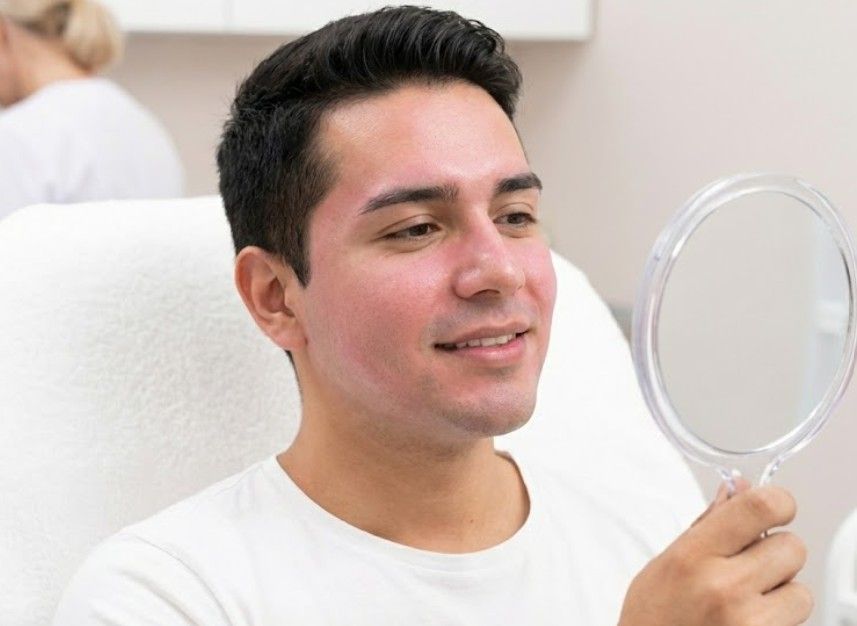
Lactic Acid Peel near me
The Skinutrition Clinic provides a variety of
lactic peel facials, suitable for your particular skin type. Simply get in touch today!
Why Choose Lactic Acid Over Other Chemical Peels?
Understanding which chemical peel is right for you depends on your skin type, your specific concerns, and your tolerance for both the treatment process and recovery period. Lactic acid peels are the ideal choice for several specific situations and skin profiles.
If you have sensitive or reactive skin that reddens easily, feels tight or uncomfortable with many products, or has a history of adverse reactions to skincare treatments, lactic acid peels offer a safer, more comfortable option. The larger molecular size and gentler penetration mean less risk of irritation, inflammation, or the burning sensation that some people experience with stronger acids. Many of our Coventry clients who've tried glycolic acid peels and found them too intense discover that lactic acid provides the results they seek with a far more comfortable experience.
Dry or dehydrated skin particularly benefits from lactic acid's unique properties. Where other chemical peels can sometimes exacerbate dryness—at least temporarily during the exfoliation process—lactic acid actually improves hydration levels whilst removing dead cells. This makes it perfect for mature skin, which naturally becomes drier with age, or for anyone whose skin feels tight, flaky, or lacks that plump, dewy quality. The treatment leaves your skin not just smoother and brighter, but genuinely more hydrated and comfortable.
First-time peel users often feel apprehensive about professional chemical exfoliation, particularly if they've read about the potential for discomfort, significant peeling, or complications. Lactic acid peels provide a reassuring introduction to professional treatments. The gentle nature of the treatment, minimal discomfort during application, and typically subtle recovery period help build confidence and understanding of how your skin responds to professional peels. Many clients start with lactic acid and, once they've experienced the process and seen their results, feel comfortable progressing to stronger treatments if their concerns warrant it.
ChoosING A Lactic Acid Chemical Peel?
Those with rosacea-prone skin face unique challenges with chemical peels, as many treatments can trigger flare-ups or worsen redness. Whilst severe rosacea requires careful management and may not be suitable for any chemical peels, mild rosacea often responds beautifully to lactic acid treatments. The anti-inflammatory properties and gentle action can actually help improve redness and sensitivity over time, particularly when combined with appropriate skincare and our nutritional therapy approach to managing inflammatory triggers from within.
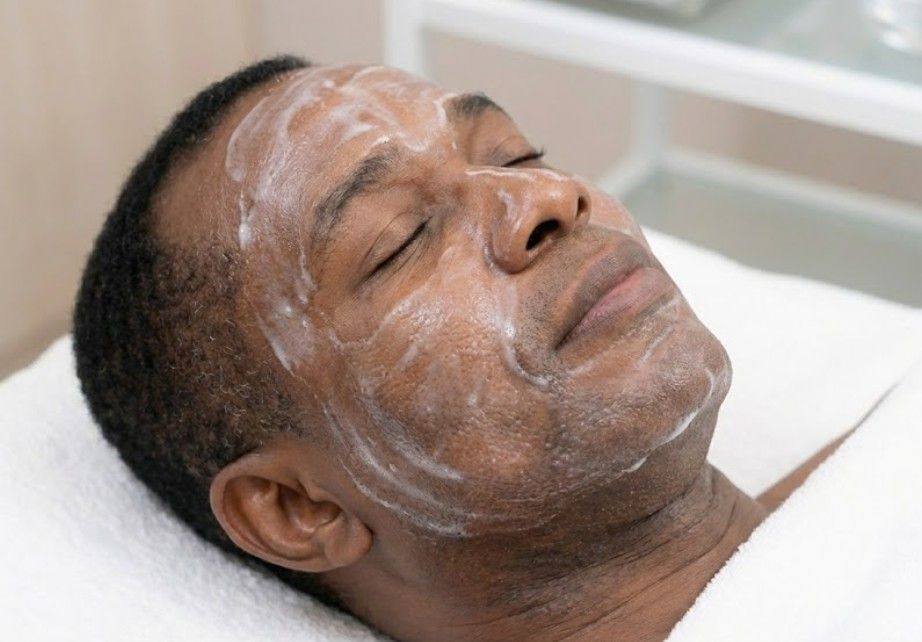
Skin tone also plays a role in peel selection. Darker skin tones are at higher risk of post-inflammatory hyperpigmentation (PIH) from chemical peels, particularly with more aggressive formulations. Lactic acid's gentle action and lower irritation profile make it a safer choice for melanin-rich skin, delivering brightening and tone-evening benefits with significantly reduced risk of triggering pigmentation concerns.
The time of year influences treatment choices too. During winter months when skin is naturally drier due to cold weather, indoor heating, and harsh environmental conditions, lactic acid peels provide exfoliation without compromising the moisture barrier. The hydrating properties actually help counteract winter dryness whilst still delivering the renewal benefits you're seeking.
It's worth understanding that lactic acid peels aren't "weaker" than other chemical peels—they simply work differently. The mechanism is gentler, the sensation during treatment is more comfortable, and the recovery is typically easier, but the results are still real and impressive. You'll see improvements in brightness, texture, tone, and overall skin quality. The difference is in the journey to those results, not the destination.
That said, there are situations where glycolic acid peels or other stronger options might be more appropriate. If you have resilient skin that tolerates active ingredients well, deeper concerns like significant sun damage or pronounced wrinkles, or oily, acne-prone skin that benefits from the deeper penetration of smaller molecules, glycolic acid might deliver more dramatic results. During your consultation at Skinutrition, we'll assess your skin thoroughly and recommend the peel type—or combination of treatments—that best serves your individual needs.
What Does a Lactic Acid Peel Treat?
Lactic acid peels are remarkably versatile treatments that address a wide range of common skin concerns, particularly those affecting the surface layers and overall skin quality. One of their primary strengths is treating mild to moderate pigmentation issues safely and effectively. Whether you're dealing with sun spots, age spots, post-inflammatory hyperpigmentation from old breakouts, or general uneven tone, lactic acid works to break up melanin clusters and promote a more balanced complexion. This makes it particularly valuable for darker skin tones, where the gentler action reduces the risk of triggering additional pigmentation—a concern that can occur with more aggressive peels.
If your skin looks dull, tired, or lacklustre—that greyish cast that makes you appear less vibrant than you feel—lactic acid peels excel at restoring radiance. By removing the accumulated dead cell layer that clouds your complexion, the treatment reveals the brighter, healthier skin beneath whilst the hydrating properties add a luminous, dewy quality that enhances that natural glow.
Texture concerns respond beautifully to lactic acid treatments. Dry, rough, or uneven skin texture—that sandpaper-like quality or bumpy surface—smooths significantly with regular treatments. The exfoliation refines the skin's surface whilst the hydrating action plumps and softens, creating a noticeably more polished finish. This dual benefit makes lactic acid particularly effective for skin that's both rough and dry, conditions that often go hand in hand.
Fine lines, especially those caused or exacerbated by dehydration, improve with lactic acid peels. Whilst these treatments won't eliminate deep wrinkles or profound lines caused by volume loss or muscle movement, they can significantly soften superficial lines around the eyes, mouth, and forehead. The combination of exfoliation stimulating collagen production and the hydrating effect plumping the skin creates a smoother appearance that can take years off your complexion.
Sun damage manifests in various ways—from pigmentation and texture changes to loss of elasticity and a leathery quality. Lactic acid peels address mild to moderate photoageing effectively, helping to reverse some of the damage accumulated over years of sun exposure. This makes them popular with clients who've enjoyed outdoor lifestyles but are now noticing the consequences on their skin.
Enlarged pores often improve with lactic acid treatments as well. Whilst you can't permanently shrink pores—their size is largely genetic—regular exfoliation keeps them clear of debris and dead cells that make them appear larger. The skin-smoothing effects also help pores appear more refined, creating an overall more polished complexion.
Perhaps most uniquely, lactic acid peels excel at treating skin that needs both exfoliation and hydration simultaneously. Many chemical peels can temporarily dry the skin as part of the exfoliation process, requiring extra moisturizing during recovery. Lactic acid actually improves hydration levels whilst exfoliating, making it ideal for dehydrated skin, mature skin with compromised moisture barriers, or anyone whose skin feels tight and parched but also looks dull and rough.
It's worth noting what lactic acid peels are less effective for. Severe acne with active breakouts typically responds better to salicylic acid peels, which can penetrate into pores more effectively due to their oil-soluble nature. Very deep wrinkles, significant scarring, or advanced skin laxity may require more aggressive treatments or complementary procedures like microneedling to achieve meaningful improvement. During your consultation, we'll be honest about what lactic acid peels can realistically achieve for your specific concerns and whether combining them with other treatments from our chemical peel range might deliver better results.
Lactic acid peels can be applied to any area experiencing these concerns. Whilst the face is most common, we frequently treat the neck, chest, and backs of hands—areas that often show signs of ageing and sun damage but have thinner, more sensitive skin that benefits from lactic acid's gentle approach.
How Lactic Acid Peels Work
The effectiveness of lactic acid peels lies in their sophisticated dual-action mechanism that simultaneously exfoliates and hydrates your skin. Understanding how this process works helps explain why lactic acid delivers such impressive results despite its gentler nature.
At the cellular level, lactic acid acts as a keratolytic agent, breaking down the bonds that hold dead skin cells together in the stratum corneum—the outermost layer of your epidermis. These dead cells naturally accumulate over time, particularly as we age and cellular turnover slows. When they build up, they create that dull, rough appearance and can prevent your skincare products from penetrating effectively. Lactic acid dissolves the "glue" holding these cells in place, allowing them to shed more easily and revealing the fresher, healthier cells underneath.
The larger molecular size of lactic acid compared to other AHAs like glycolic acid is actually an advantage for many skin types. These larger molecules penetrate the skin more slowly and work primarily on the surface layers rather than driving deep into the epidermis. This creates a more controlled exfoliation that's less likely to cause irritation, inflammation, or the intense tingling sensation that some people find uncomfortable with smaller-molecule acids. Think of it as a gentle, thorough surface polish rather than an aggressive deep dive.
As the dead cell layer is removed, your skin recognizes this exfoliation as a signal to accelerate its natural renewal processes. Cellular turnover increases, with fresh, healthy cells migrating to the surface more quickly to replace those that were shed. This natural renewal process happens constantly throughout your life, but it slows significantly with age—one reason why mature skin often looks duller and takes longer to heal. Lactic acid peels give this process a substantial boost, helping your skin behave more like younger skin.
Beyond surface exfoliation, lactic acid penetrates into the living layers of your epidermis where it stimulates fibroblast activity. Fibroblasts are the cells responsible for producing collagen and elastin, the structural proteins that keep your skin firm, plump, and resilient. Whilst lactic acid's collagen-stimulating effects are milder than those of deeper-penetrating acids, they're still meaningful, particularly with repeated treatments over time. This gentle collagen stimulation contributes to the improvement in fine lines and overall skin quality that develops progressively with a course of lactic acid peels.
What truly distinguishes lactic acid from most exfoliating acids is its humectant properties. A humectant is a substance that attracts water molecules and binds them to the skin. Lactic acid naturally draws moisture from the environment and from deeper skin layers to the surface, improving hydration levels even as it's exfoliating. This is why skin often feels more plump, dewy, and comfortable after a lactic acid peel, rather than tight and dry as can occur with other exfoliating treatments. The treatment also promotes the synthesis of natural moisturizing factors within your skin, enhancing your skin's ability to maintain its own hydration long-term.
The pH and concentration of the lactic acid solution determine how deeply it penetrates and how intensely it works. Professional formulations are carefully pH-balanced—typically between 2.5 and 3.5—to maximize efficacy whilst maintaining the gentle character that makes lactic acid suitable for sensitive skin. A lower pH creates a more potent effect, but lactic acid maintains its relatively gentle nature across a range of pH levels compared to other acids at similar values.
The controlled nature of professional application is crucial to achieving optimal results safely. When we apply a lactic acid peel at Skinutrition, we ensure even coverage across the entire treatment area and carefully time the contact period based on the specific formulation being used, your skin's response, and the results we're aiming to achieve. This precision is impossible to replicate with at-home products, which is why professional lactic acid peels deliver noticeably superior results to retail lactic acid serums or treatments.
As with all our chemical peel treatments, we use high-grade, medical-quality formulations that undergo rigorous testing and quality control. These professional products are formulated specifically for clinical use, with carefully calibrated concentrations and pH levels that retail products cannot match. The combination of superior formulation and expert application technique is what transforms lactic acid from a pleasant skincare ingredient into a genuinely transformative professional treatment.
The exfoliation process triggered by a lactic acid peel continues for several days after your treatment as your skin completes its renewal cycle. This is why results continue to improve in the week following your peel, with the full benefits becoming apparent as new, healthy cells reach the surface and the increased hydration settles into your skin. With repeated treatments, these benefits become cumulative, creating progressively better texture, tone, and overall skin quality that maintains itself more effectively over time.
Benefits of Lactic Acid Peels
he comprehensive benefits of lactic acid peels extend well beyond simple exfoliation, making them one of the most valued treatments for clients seeking effective rejuvenation with exceptional comfort and safety. The most immediately noticeable benefit is a brighter, more radiant complexion that appears within hours of your treatment. By removing the dull, dead cell layer that can make skin look tired and lifeless, lactic acid reveals the luminous, healthy skin beneath. This isn't just a temporary glow—the improved cellular turnover continues to enhance your skin's natural radiance for weeks after treatment.
The improvement in hydration levels is perhaps lactic acid's most distinctive benefit. Unlike many exfoliating treatments that can temporarily compromise your skin's moisture barrier, lactic acid actually enhances hydration whilst it exfoliates. Your skin feels softer, more supple, and genuinely comfortable rather than tight or dry. This plumping effect creates a dewy, healthy appearance that many clients describe as making their skin look "alive" again. For those with chronically dry or dehydrated skin, this hydration boost can be genuinely transformative, addressing a concern that many other treatments struggle with.
Texture improvement is another hallmark benefit. Whether your skin feels rough, shows fine bumps, or has an uneven surface quality, lactic acid peels create a remarkably smoother, more refined finish. The gentle but thorough exfoliation removes the irregular dead cell accumulation that creates roughness, whilst the hydrating properties plump the skin and fill in minor surface irregularities. Light reflects more evenly across smoother skin, enhancing the overall polished appearance and making your complexion look healthier and more youthful.
The evening out of skin tone is particularly impressive with lactic acid peels, especially for those dealing with mild to moderate pigmentation concerns. Whether you're addressing sun damage, age spots, post-inflammatory marks, or general patchiness, the progressive fading that occurs with a series of treatments creates a more uniform, balanced complexion. The gentler action means this improvement occurs without the increased pigmentation risk that can accompany more aggressive treatments, making it especially valuable for darker skin tones or those prone to hyperpigmentation.
Fine lines soften noticeably with regular lactic acid treatments. The combination of improved hydration plumping the skin, gentle collagen stimulation improving structure, and smoother surface texture reducing the appearance of lines creates a more youthful appearance overall. Whilst lactic acid peels won't eliminate deep wrinkles—those require more intensive interventions—they can take years off your appearance by addressing the superficial lines and dehydration creases that accumulate with age.
The comfort level during and after treatment is a significant benefit that shouldn't be underestimated. Many people avoid professional chemical peels because they're concerned about pain, burning sensations, or significant discomfort. Lactic acid peels typically produce only mild tingling at most—some clients feel almost nothing during application—making the experience pleasant rather than something to endure. This comfort extends into the recovery period, where you're unlikely to experience the intense tightness, significant redness, or irritation that can accompany stronger peels.
Minimal downtime is another practical benefit that makes lactic acid peels accessible to busy lifestyles. You can typically return to work, social activities, and your normal routine immediately or within a day of treatment. There's usually little to no visible peeling—most of the exfoliation occurs at a microscopic level—so you don't need to plan for a week of flaking skin or feel self-conscious about your appearance during recovery. This makes lactic acid peels perfect for maintaining your skin's health and appearance without disrupting your life.
The year-round suitability of lactic acid peels provides flexibility that stronger treatments can't match. Many chemical peels are best reserved for autumn and winter months when sun exposure is naturally reduced, but lactic acid's gentle nature and hydrating properties make it appropriate even during summer, though sun protection remains essential. This means you can maintain consistent treatment schedules and continuous improvement rather than waiting for specific seasons.
Your daily skincare routine becomes significantly more effective after a lactic acid peel. By removing the barrier of dead cells, your serums, moisturisers, and treatment products can penetrate more deeply and work more efficiently. This means you get better results from the products you're already using, maximizing the investment you've made in your skincare regimen. The improved absorption can last for weeks after your treatment, creating sustained benefits beyond the immediate results.
The safety profile and lower risk of complications make lactic acid peels an excellent choice for those concerned about adverse reactions. The gentle nature means there's less risk of post-inflammatory hyperpigmentation, chemical burns, or other complications that, whilst rare, can occur with more aggressive treatments. This peace of mind is particularly valuable for those with sensitive skin, darker skin tones, or previous negative experiences with professional treatments.
Perhaps one of the most valuable long-term benefits is how lactic acid peels can serve as a gateway to more comprehensive skincare treatments. Many clients start with lactic acid to build confidence and understanding of how their skin responds to professional peels. Once they've experienced the process, seen their results, and developed trust in their practitioner, they often feel comfortable exploring stronger treatments or combining lactic acid with other modalities from our clinical facial menu for enhanced results.
The cumulative nature of benefits means results continue to improve with regular treatments. Your first peel might deliver noticeable brightness and hydration, your third might show significant texture improvement, and by your sixth treatment, you may see substantial changes in tone, fine lines, and overall skin quality. These progressive improvements create lasting transformation rather than temporary enhancement, particularly when maintained with regular treatments as part of your ongoing skincare strategy.
Finally, the compatibility of lactic acid peels with various skin types and conditions means more people can benefit from professional chemical exfoliation. Where other peels might be too harsh for sensitive skin, too drying for mature skin, or too risky for darker tones, lactic acid offers an inclusive solution that delivers real results safely and comfortably. This accessibility makes it one of the most democratic and widely beneficial treatments available in professional skincare.
What to Expect During Your Lactic Acid Peel Treatment
Your lactic acid peel journey at The Skinutrition Clinic begins with a comprehensive consultation that forms the foundation for achieving optimal results. This isn't a rushed assessment or a one-size-fits-all approach. We take the time to examine your skin thoroughly, understanding not just what you see on the surface but the underlying factors that may be affecting your skin's health and appearance. We'll discuss your current skincare routine, any products or treatments you've tried previously, your medical history, medications you're taking, and lifestyle factors that influence skin condition.
This detailed consultation allows us to create a truly personalized treatment plan tailored to your unique needs. We'll assess whether lactic acid is the ideal choice for your concerns or whether another approach—or a combination of treatments—might serve you better. For those with particularly sensitive or reactive skin, we can perform a patch test to ensure your skin responds well before proceeding with a full facial treatment. This cautious, thorough approach ensures your safety and maximizes the likelihood of excellent results.
What makes Skinutrition distinctive is our ability to integrate nutritional therapy into your skincare journey. As specialists in both advanced skincare and nutrition, we recognize that skin health isn't solely determined by what we apply topically. Hydration status, inflammatory markers influenced by diet, nutrient deficiencies, gut health, and hormonal balance all affect how your skin looks, feels, and responds to treatments. During your consultation, we can identify dietary and lifestyle factors that may be compromising your skin's condition or healing capacity, creating a comprehensive plan that addresses your skin from the inside out as well as externally. This holistic approach is particularly valuable for dry or dehydrated skin, where internal hydration and nutritional factors play such a crucial role.
Preparation for your lactic acid peel is generally more straightforward than for stronger chemical peels, but there are still important steps to ensure optimal results. For approximately one week before your treatment, you'll need to avoid certain active ingredients and treatments. This includes retinoids, other exfoliating acids, vitamin C products, and any physical exfoliation methods. The goal is to ensure your skin isn't sensitized when we apply the peel, allowing for the smoothest, most comfortable experience possible. We'll also recommend avoiding waxing, threading, or any other hair removal treatments in the area to be treated, as these can temporarily compromise the skin barrier.
Sun protection becomes particularly important in the week leading up to your treatment. Your skin should be in its normal state—not sunburned, freshly tanned, or recovering from excessive sun exposure. We recommend arriving at your appointment with clean, product-free skin if possible, though we'll cleanse thoroughly regardless.
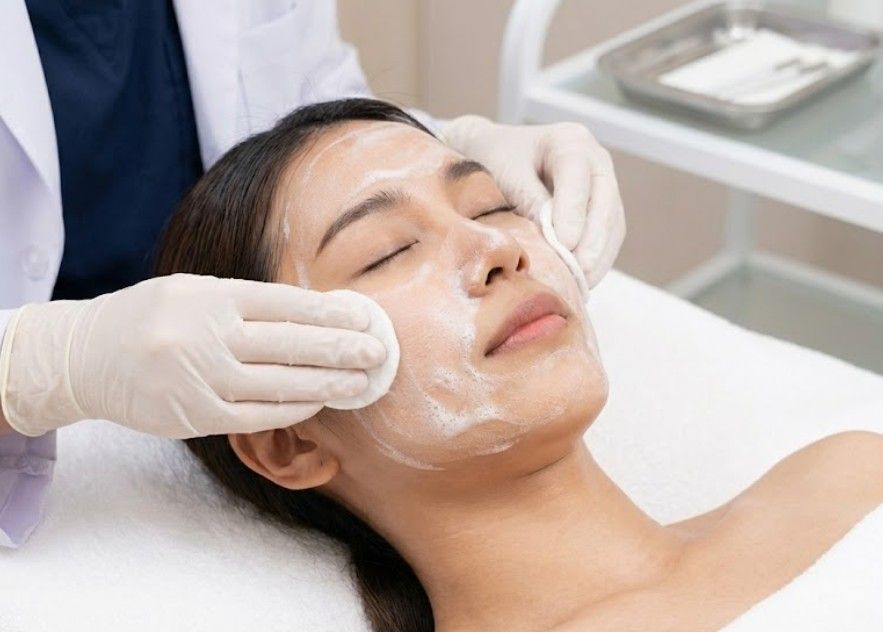
The treatment itself is straightforward, gentle, and typically takes between 30 to 45 minutes from start to finish. We begin by thoroughly cleansing your skin to remove all traces of makeup, oil, and any surface debris. This cleansing step is crucial because even small amounts of residue can create barriers that prevent even penetration of the lactic acid. We want the solution to interact directly with your skin for optimal, uniform results.
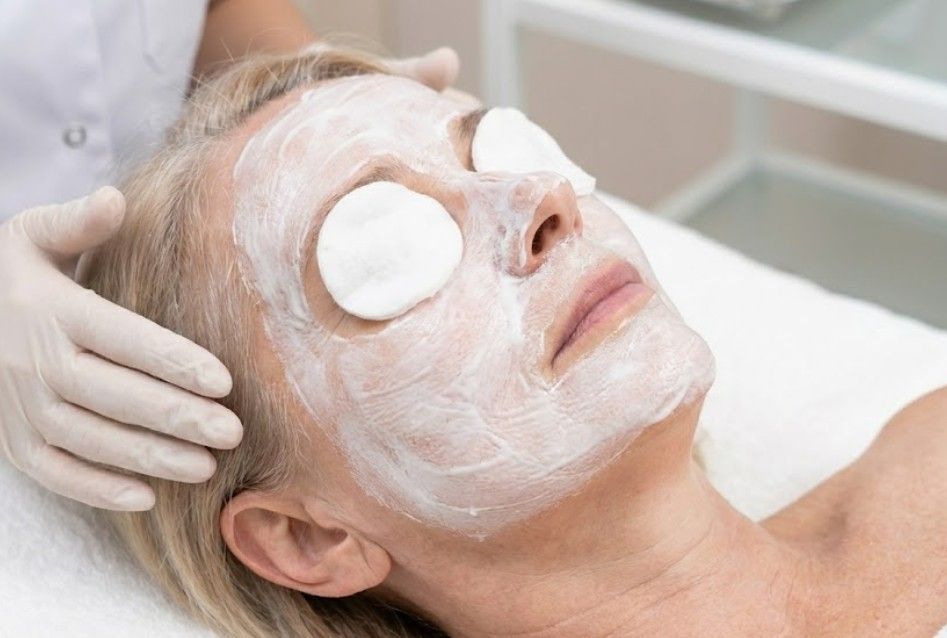
Once your skin is properly prepared and completely clean, we apply the lactic acid solution using a brush or gauze, working methodically across the treatment area to ensure complete, even coverage. The application technique matters enormously—professional training ensures we achieve consistent coverage without missing areas or over-concentrating product in any location. This precision is one of the key differences between professional treatments and at-home application.
During the application and while the lactic acid is working, you'll experience sensations that most clients find very manageable. The typical feeling is a mild tingling or gentle warmth—nothing like the intense burning or significant discomfort that some people associate with chemical peels. Many clients describe it as a slight prickling sensation or a warm feeling that's noticeable but not uncomfortable. Some people with very tolerant skin feel almost nothing at all. This gentle experience is one of lactic acid's greatest advantages, making the treatment pleasant rather than something to endure.
We monitor your skin closely while the lactic acid is working, watching for signs of adequate penetration and ensuring your comfort throughout. The solution remains on your skin for a carefully timed period—typically between five to ten minutes—determined by the specific concentration being used, how your skin is responding, and the results we're targeting. This timing is adjusted for each individual client and can vary between treatments as your skin builds tolerance or as we progress to stronger concentrations.
Once the appropriate contact time has elapsed, we neutralize or remove the lactic acid solution. Depending on the specific formulation we're using, this might involve applying a neutralizing solution that stops the acid's action, or simply rinsing thoroughly with water for self-neutralizing formulations. Either way, we ensure all traces of the peel are removed completely.
Following removal of the peel, we apply soothing, hydrating serums and treatments that calm your skin and support the healing process. These post-treatment products are carefully selected to provide maximum benefit without causing any irritation to your freshly treated skin. We finish by applying a high-quality broad-spectrum SPF, as your newly revealed skin will be more vulnerable to sun damage and protecting it is absolutely essential.
Immediately after your treatment, your skin may appear slightly pink or flushed—similar to a very mild blush—though many clients show virtually no redness at all. Your skin will likely feel slightly tight and might have a subtle tingling sensation that gradually subsides over the next few hours. This immediate aftermath is typically so minimal that many clients schedule lactic acid peels during their lunch break and return to work immediately afterward.
Many clients choose to enhance their results by combining lactic acid peels with complementary treatments. Dermaplaning performed before a lactic acid peel can be particularly effective, removing the vellus hair and creating an even smoother surface for the acid to work on. This combination is especially popular for those seeking maximum smoothness and radiance, particularly before special events. The gentle nature of lactic acid makes it ideal for combination treatments, as it's less likely to overwhelm the skin when paired with other procedures.
We can also incorporate lactic acid peels into broader clinical facial treatments, creating customized experiences that combine professional exfoliation with hydration, massage, and other beneficial modalities. During your consultation, we'll discuss whether combination approaches might enhance your results and create a comprehensive plan that addresses your concerns holistically without overwhelming your skin or your schedule.
Throughout the entire process, from consultation through treatment to immediate aftercare, we're focused on ensuring your comfort, safety, and confidence in the treatment you're receiving. Our approach is calm, professional, and supportive, creating an experience that's genuinely pleasant rather than anxiety-inducing. Many clients tell us they look forward to their lactic acid peel appointments—not just for the results they deliver, but for the relaxing, pampering experience itself.
Recovery, Results and Treatment Frequency
The recovery from a lactic acid peel is notably gentle compared to stronger chemical treatments. Most clients experience minimal redness that fades within a few hours, with your skin feeling slightly tight or sensitive for up to a day. Unlike more aggressive peels, visible peeling is often minimal or entirely absent—the exfoliation occurs primarily at a microscopic level. You might notice some subtle flaking around day three to five, particularly around the nose and mouth, but dramatic shedding is uncommon. This makes lactic acid peels ideal for those who can't afford significant downtime.
Your aftercare routine is straightforward but essential. Cleanse twice daily with a gentle, fragrance-free cleanser using only your fingertips—avoid any cleansing brushes or textured cloths. Apply a rich moisturiser generously throughout the day to keep skin comfortable and support healing. Sun protection is absolutely critical; use a broad-spectrum SPF 30 or higher every morning and reapply throughout the day. Your skin is more vulnerable to UV damage during recovery, and sun exposure can trigger pigmentation issues.
Avoid active ingredients like retinoids, vitamin C, and other exfoliating acids for at least five to seven days post-treatment. Skip intense exercise, saunas, and hot showers for 24-48 hours to prevent excessive sweating or heat exposure. Most importantly, never pick at any flaking skin—let it shed naturally to avoid scarring or pigmentation.
Results unfold progressively. Immediately after treatment, you'll notice your skin feels more hydrated with a subtle plumpness. Within 24 hours, as initial redness settles, the brighter, more radiant appearance becomes evident. By one week, texture improvements are clear—your skin feels noticeably smoother and softer. The most significant results emerge over four to six weeks as collagen remodelling occurs and cellular turnover completes its cycle. Fine lines soften, pigmentation fades, and overall skin quality continues improving.
Treatment frequency for lactic acid peels is more flexible than stronger alternatives. Initial courses typically involve treatments every two to four weeks, with most clients seeing excellent results after four to six sessions. Because lactic acid is gentler, it can often be performed more frequently than glycolic or salicylic peels. Once you've achieved your desired results, maintenance treatments every four to six weeks help preserve improvements and support ongoing skin health.
The cumulative benefits mean each treatment builds on previous improvements, creating progressive transformation rather than temporary enhancement. Our team at Skinutrition can recommend post-treatment products from our skincare range that support healing and maintain results between sessions. Additionally, our nutritional therapy expertise helps ensure your body has the hydration and nutrients needed for optimal skin healing and long-term health.
Why Choose Skinutrition for Your Lactic Acid Peel in Coventry
Choosing the right clinic for your lactic acid peel ensures both safety and optimal results. At The Skinutrition Clinic in central Coventry, we bring together the expertise, products, and holistic approach needed for genuinely transformative outcomes.
Our location makes us easily accessible whether you're based in Coventry city centre or surrounding areas including Kenilworth, Leamington Spa, Rugby, and throughout Warwickshire. We've created a welcoming environment where you can discuss your concerns openly and receive honest, expert guidance.
What distinguishes Skinutrition is our integrated approach to skin health. As specialists in both advanced skincare and nutritional therapy, we understand that beautiful skin requires more than topical treatments alone. While we deliver professional-grade lactic acid peels that rejuvenate your skin externally, we can simultaneously address internal factors—hydration status, inflammatory dietary triggers, nutrient deficiencies—that affect your skin's health and healing capacity. This comprehensive approach often accelerates results and creates improvements that last.
We excel at treating sensitive skin with the care and expertise it requires. Our experience helps us recognize when lactic acid is the optimal choice and how to customize concentration and application for your unique needs. We use only medical-grade formulations and advanced techniques, ensuring superior results with maximum safety.
Our consultation-led philosophy means every treatment is genuinely personalized. We assess your skin thoroughly, set realistic expectations, and create bespoke plans that may incorporate other treatments—microneedling for deeper concerns, dermaplaning for enhanced smoothness, or elements from our clinical facials—when appropriate. This flexibility allows us to adapt your plan as your skin responds and your goals evolve.
We believe in honest communication from the start. During your free initial consultation, we'll explain exactly what lactic acid peels can achieve for your specific concerns, how many treatments you'll likely need, and what timeline to expect. We provide comprehensive aftercare guidance and remain available to address any questions during your recovery.
Competitive pricing and package options make achieving your skin goals more accessible. We recognize that professional skincare is an investment, and we're committed to delivering genuine value through exceptional results and ongoing support.
BOOKING YOUR COVENTRY LACTIC Acid Peel
Lactic acid peels offer effective skin rejuvenation with exceptional gentleness, making them ideal for sensitive skin, first-time peel users, and anyone seeking hydration alongside exfoliation. These professional treatments deliver real improvements in brightness, texture, tone, and overall skin quality with minimal discomfort and downtime.
At The Skinutrition Clinic in Coventry, we combine technical expertise with our distinctive holistic approach, addressing your skin health comprehensively for results that truly last. Whether you're new to professional peels or seeking a gentler alternative to treatments you've tried before, lactic acid peels could be the perfect solution.
We'd be delighted to discuss how lactic acid peels can help you achieve healthier, more radiant skin. Our free consultation provides the opportunity to explore your options, have your questions answered, and discover the personalized treatment plan that's right for you.
Book your consultation today by calling 0247 542 4476 or contact us online. We look forward to welcoming you to our Coventry clinic and helping you begin your journey to your best skin yet.
Frequently Asked Questions Regarding Lactic Acid Peels
How does a lactic acid peel differ from a glycolic acid peel?
Both lactic and glycolic acid are alpha-hydroxy acids (AHAs) that exfoliate and rejuvenate skin, but they work differently due to their molecular structure. Lactic acid has a larger molecular size, which means it penetrates more slowly and works more gently on the surface layers. This makes it ideal for sensitive, dry, or reactive skin types. Glycolic acid has the smallest molecular size of all AHAs, allowing deeper penetration for more intensive results—excellent for resilient skin with deeper concerns like significant sun damage or pronounced wrinkles. Lactic acid's unique advantage is its natural humectant properties; it actually hydrates whilst it exfoliates, making skin feel plump and comfortable rather than tight or dry. If you've found glycolic acid peels too intense or irritating, lactic acid offers comparable brightening and texture improvements with significantly less discomfort and lower irritation risk. Neither is inherently "better"—the right choice depends on your skin type, concerns, and tolerance. During your consultation at Skinutrition, we'll assess which peel type best serves your individual needs, or whether a combination approach might deliver optimal results.
Is a lactic acid peel suitable for sensitive or rosacea-prone skin?
Lactic acid peels are one of the best professional chemical peel options for sensitive skin, which is why they're so popular with clients who've struggled with other treatments. The gentle action, larger molecular size, and anti-inflammatory properties make lactic acid significantly less likely to trigger irritation, redness, or adverse reactions compared to stronger acids. For those with rosacea-prone skin, the situation requires careful assessment. Severe or active rosacea may not be suitable for any chemical peels, as the exfoliation can potentially trigger flare-ups. However, mild rosacea often responds beautifully to lactic acid treatments. Many clients find that regular, gentle lactic acid peels actually help improve their baseline redness and sensitivity over time, particularly when combined with appropriate skincare and our nutritional therapy approach to managing inflammatory triggers from within. The key is proper professional assessment. During your consultation, we'll examine your skin thoroughly, discuss your rosacea history, and determine whether lactic acid peels are appropriate for your specific condition. We can also perform a patch test if needed to ensure your skin responds well before proceeding with full facial treatment. Our experience with sensitive and reactive skin means we know how to customize concentration, application time, and aftercare protocols to minimize any risk whilst delivering the gentle rejuvenation benefits you're seeking.
Will my skin visibly peel after a lactic acid peel?
One of the advantages of lactic acid peels—particularly for those new to professional treatments or concerned about visible downtime—is that dramatic, obvious peeling is typically minimal or entirely absent. Most of the exfoliation occurs at a microscopic, cellular level that you won't see but will definitely feel in terms of smoother, softer skin. Some clients experience no visible peeling whatsoever, noticing only that their skin looks brighter and feels more refined. Others might see light flaking for a few days, usually beginning around day three and most noticeable around the nose, mouth, and jawline where facial movement naturally encourages shedding. This flaking, when it occurs, is generally subtle—think fine, delicate pieces rather than large sheets of skin. It's nothing like the dramatic peeling you might have seen with medium or deep chemical peels. The extent of visible peeling depends on several factors: the concentration used, your skin type and condition, whether you've had peels previously, and your individual response. Lighter lactic acid peels (30-40%) typically produce virtually no visible peeling, whilst stronger concentrations (50%+) might create more noticeable flaking. The important thing to understand is that lack of visible peeling doesn't mean the treatment isn't working—the cellular turnover and renewal are happening regardless. During your consultation, we'll discuss what to expect based on the specific strength we recommend for your skin, helping you plan appropriately around your schedule and any upcoming events.
Can I have a lactic acid peel if I'm pregnant or breastfeeding?
This is an important question, and our recommendation is to postpone lactic acid peels—and all chemical peels—until after you've finished breastfeeding. Whilst lactic acid is one of the gentler chemical peel options and is derived from natural sources (milk), there's limited research on the safety of professional-strength chemical peels during pregnancy and lactation. As a precautionary measure, most skincare professionals, including ourselves at Skinutrition, advise waiting. Your body undergoes enormous hormonal changes during pregnancy and whilst breastfeeding, which can affect how your skin responds to treatments and increase sensitivity or risk of pigmentation issues. Additionally, pregnancy often brings skin concerns like melasma, increased sensitivity, and changes in texture that are best addressed after hormones stabilize. The good news is that once you've finished breastfeeding, lactic acid peels can be an excellent treatment for addressing any skin concerns that developed during pregnancy—pigmentation, dullness, texture changes—and they're gentle enough for skin that may still be somewhat sensitive from hormonal fluctuations. In the meantime, focus on gentle, pregnancy-safe skincare routines with physical sun protection. When you're ready to return to professional treatments, we'll create a comprehensive plan that addresses all the skin changes you've experienced. Our nutritional expertise can also help support your skin health during pregnancy and postpartum through diet and lifestyle recommendations that are safe throughout this special time.
How quickly will I see results from my lactic acid peel?
Results from lactic acid peels unfold in stages, with some benefits appearing immediately and others developing progressively over several weeks. The very first thing you'll notice—often within hours of your treatment—is improved hydration. Your skin feels more plump, dewy, and comfortable, with a subtle glow that comes from both the exfoliation revealing brighter skin and the enhanced moisture levels. Within 24 hours, once any minimal redness has settled completely, the brightness and radiance become more obvious. Many clients describe their skin as looking "refreshed" and "awake," with a luminous quality they hadn't seen in years. By the end of the first week, texture improvements are clear. Your skin feels noticeably smoother, softer, and more refined to the touch. Makeup applies more evenly, and your complexion has a polished appearance that reflects light beautifully. The more significant, transformative results emerge over the following four to six weeks. This is when collagen remodelling occurs, cellular turnover completes, and the deeper benefits become apparent. Fine lines soften progressively, pigmentation continues to fade, and overall skin quality improves in ways that become increasingly noticeable. The cumulative nature of lactic acid peels means results build with each treatment. Your first peel might deliver lovely brightness and hydration, your third might show substantial texture improvement, and by your fifth or sixth treatment, you'll likely see impressive changes in tone, lines, and overall complexion that represent genuine transformation rather than temporary enhancement. This progressive improvement is why we typically recommend a series of treatments rather than a single session for addressing significant concerns. During your consultation, we'll set realistic expectations for your specific situation and timeline.
How often can I have lactic acid peels?
Lactic acid peels can be performed more frequently than stronger chemical peels due to their gentle nature and lower risk of over-exfoliation or complications. For initial treatment courses, we typically recommend sessions every two to four weeks. This timing allows your skin to complete its renewal cycle and benefit fully from each treatment whilst maintaining consistent progress toward your goals. Some clients with resilient skin who are seeking intensive improvement may safely have lactic acid peels every two weeks, whilst others with more sensitive or reactive skin might benefit from spacing treatments three to four weeks apart. The appropriate frequency depends on your skin type, how it responds to treatment, the concentration being used, and your specific concerns. For most clients seeking significant improvements—addressing pigmentation, texture issues, or anti-ageing concerns—we recommend an initial course of four to six treatments at the recommended frequency. This creates the foundation of transformation, with each session building on previous improvements. Once you've achieved your desired results, maintenance treatments every four to six weeks help preserve those improvements and support ongoing skin health. Many clients make regular lactic acid peels part of their long-term skincare routine, viewing them as essential maintenance rather than occasional treatments. The gentle, hydrating nature of lactic acid makes this frequent use both safe and beneficial, unlike more aggressive peels that can only be performed occasionally. During your consultation at our Coventry clinic, we'll create a personalized treatment schedule that aligns with your goals, your skin's tolerance, and your lifestyle. We can adjust frequency as we observe how your skin responds, ensuring you're receiving treatments at the optimal interval for maximum benefit without any risk of overwhelming your skin.
What's the best time of year for lactic acid peels?
One of lactic acid's significant advantages is its year-round suitability, giving you flexibility that stronger chemical peels don't offer. Unlike more aggressive peels that are best reserved for autumn and winter when sun exposure naturally decreases, lactic acid peels can be safely performed throughout the year, including summer months. The gentle exfoliation and lower irritation profile mean your skin isn't as vulnerable or sensitive as it would be after stronger treatments. That said, sun protection remains absolutely essential regardless of when you have your lactic acid peel. Your newly revealed skin is more susceptible to UV damage, and sun exposure can trigger pigmentation issues or compromise your results. You must apply broad-spectrum SPF 30 or higher every morning and reapply throughout the day, wear protective clothing, and minimize direct sun exposure particularly in the first two weeks post-treatment. If your lifestyle involves significant sun exposure—perhaps you work outdoors, participate in outdoor sports, or have a beach holiday planned—it's wise to schedule your lactic acid peel at least two weeks before or wait until afterward. This gives your skin adequate time to heal and reduces any risk of sun-related complications. Winter can actually be an ideal time for lactic acid peels because the hydrating properties help counteract the dryness caused by cold weather and indoor heating. Your skin benefits from both the exfoliation and the moisture boost, addressing the rough texture and flakiness that often develops in colder months. During your consultation, we'll discuss your schedule, lifestyle, and any upcoming events or travel plans to recommend optimal timing for your treatments. The flexibility of lactic acid peels means we can create a treatment schedule that works seamlessly with your life rather than requiring you to wait for specific seasons.
Are lactic acid peels suitable for darker skin tones?
Lactic acid peels are one of the safest and most suitable chemical peel options for darker skin tones, which is a significant advantage given that many professional treatments carry higher risks for melanin-rich skin. The primary concern with chemical peels on darker skin is post-inflammatory hyperpigmentation (PIH)—the tendency for trauma or irritation to trigger excess melanin production, creating dark patches that can be difficult to resolve. Lactic acid's gentle action and lower irritation profile significantly reduce this risk compared to more aggressive peels like glycolic acid or TCA. The larger molecular size means slower, more controlled penetration that's less likely to cause the inflammation that triggers PIH. Additionally, lactic acid's anti-inflammatory properties help calm skin rather than aggravate it, further reducing hyperpigmentation risk. Many clients with darker skin tones find that lactic acid peels actually help fade existing pigmentation—whether from sun damage, hormonal influences, or post-inflammatory marks—whilst the risk of creating new pigmentation is substantially lower than with stronger alternatives. That said, proper professional assessment is still essential. During your consultation at Skinutrition, we'll examine your skin carefully, discuss your pigmentation history, and create a customized treatment plan with appropriate concentration, application time, and aftercare protocols. We often start conservatively with darker skin tones, using lower concentrations initially to assess response before potentially progressing to stronger formulations. Sun protection is particularly critical for darker skin tones, as UV exposure is a major trigger for hyperpigmentation. We'll provide detailed guidance on protecting your skin throughout your treatment course. Our experience treating diverse skin types means we understand the unique considerations for melanin-rich skin and know how to deliver beautiful results safely and effectively.