
Pigmentation Treatment Coventry - Advanced Solutions for Uneven Skin Tone & Dark Spots
At The Skinutrition Clinic we can provide solutions to Hyperpigmented skin and liver spots
HYPERPIGMENTAtion
Pigmentation concerns are among the most common reasons people seek professional skin treatment — and among the most frustrating to deal with alone. Dark spots, uneven skin tone, melasma and sun damage can develop gradually over years, and the sheer number of products claiming to address them makes it difficult to know where to turn. At The Skinutrition Clinic in Coventry, I provide clinically informed pigmentation treatment tailored precisely to your pigmentation type, skin tone and lifestyle - combining advanced in-clinic treatments with expert guidance on the home care and nutritional factors that determine long-term results.
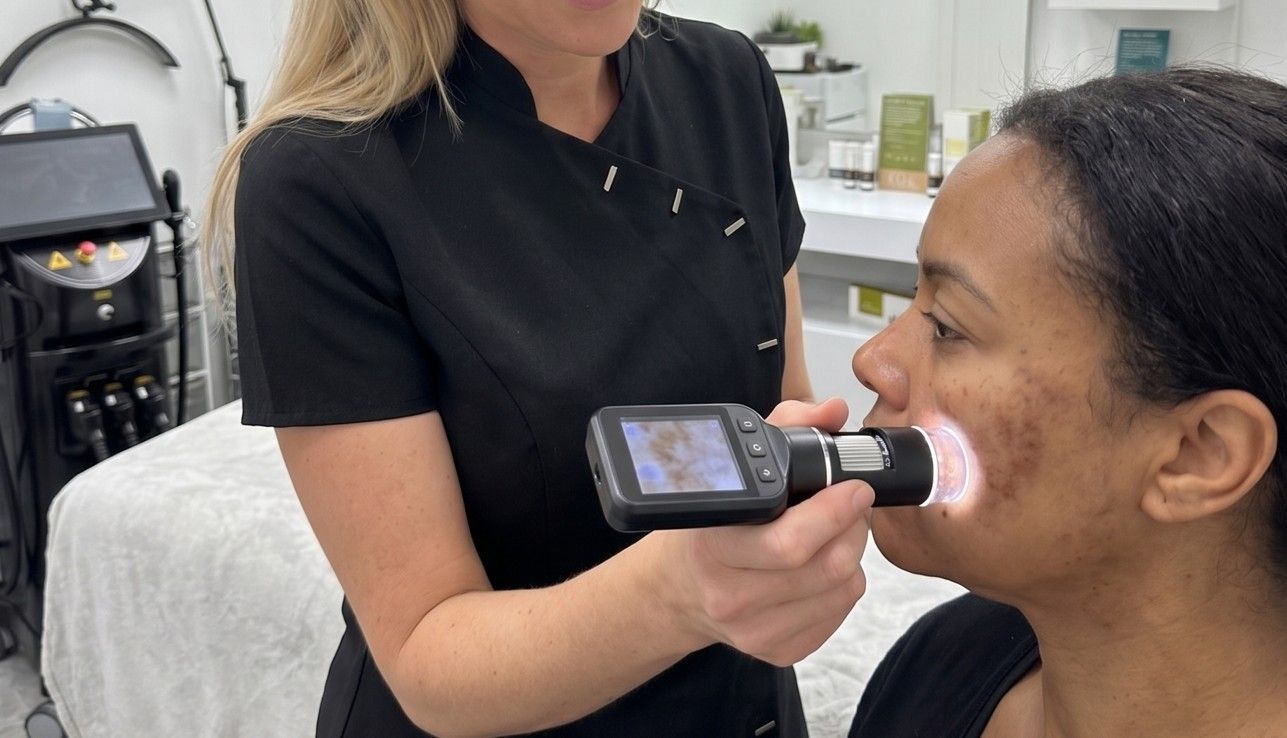
PIGMENTED SKIN
If you have a concern about the pigmentation or complexion of your skin, call or book a FREE consultation today
What Causes Skin Pigmentation?
Pigmentation occurs when melanin — the pigment that gives skin its colour — is produced unevenly or in excess. Melanin production is triggered by the skin's melanocyte cells, and a range of factors can cause these cells to become overactive in specific areas, resulting in patches or spots that are darker than the surrounding skin.
- The most common causes of pigmentation include:Sun exposure — ultraviolet radiation is the single biggest driver of pigmentation, stimulating melanocyte activity and causing the gradual accumulation of sun damage, age spots and freckles over time
- Hormonal changes — fluctuations in oestrogen and progesterone, whether from pregnancy, contraceptive use or the perimenopause, can trigger melasma — a particularly stubborn form of hormonal pigmentation
- Post-inflammatory hyperpigmentation (PIH) — pigmentation that develops as the skin heals following inflammation, most commonly after acne breakouts, but also following injury, burns or aggressive skincare
- Genetic predisposition — some individuals are simply more prone to pigmentation than others, particularly those with Fitzpatrick skin types III to VI
- Ageing — cumulative sun damage and slower cell turnover with age contribute to the appearance of age spots and generally uneven skin tone
Identifying the type and underlying cause of your pigmentation is essential before beginning treatment, as different pigmentation types respond very differently to different treatment protocols. Treating melasma with the same approach used for sun damage, for example, can worsen rather than improve the condition.
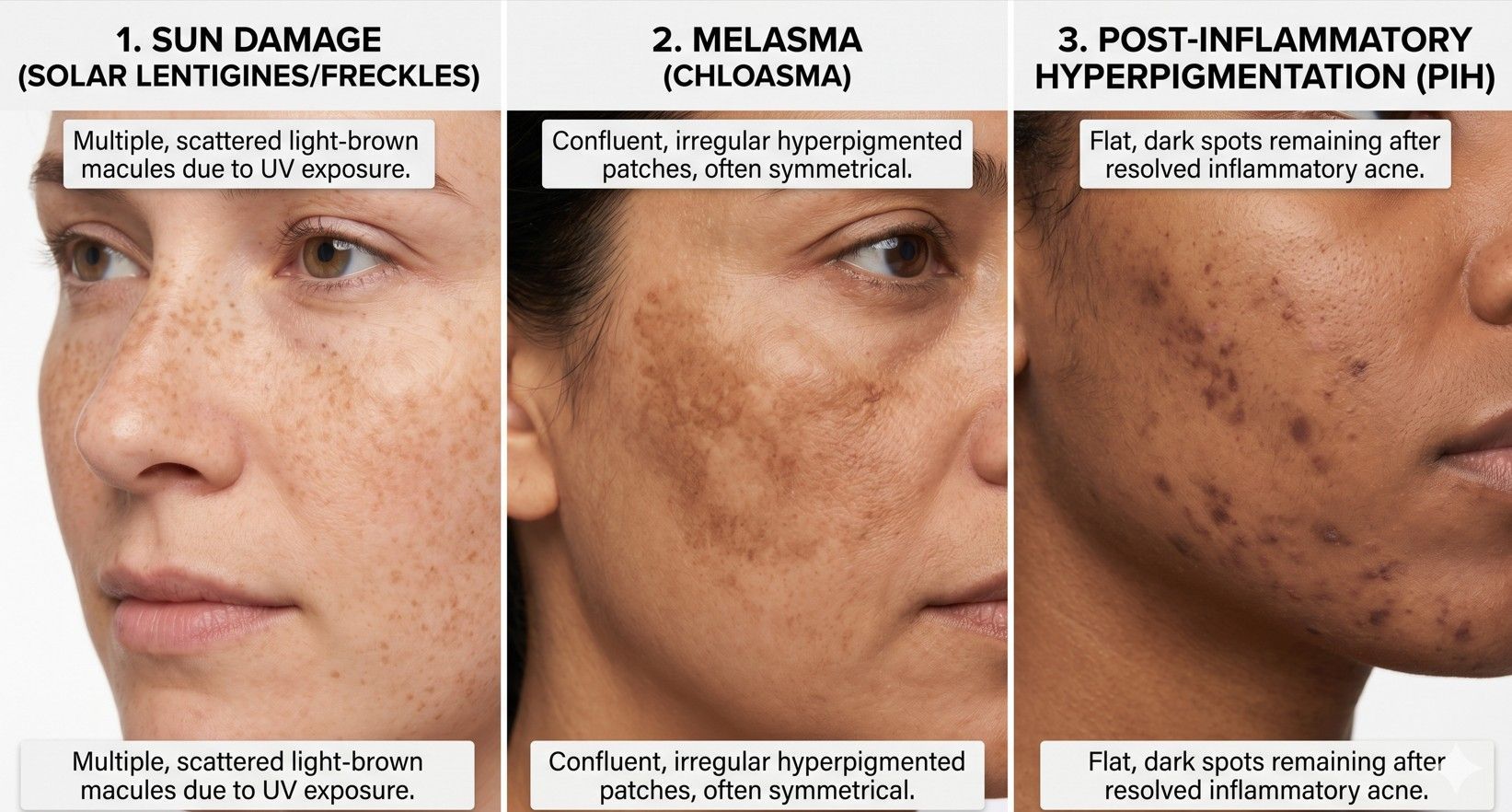
Types of Pigmentation I Treat
I use a range of clinically proven treatments for different types of pigmentation issues - selected and combined based on your specific issue, skin sensitivity and treatment goals.
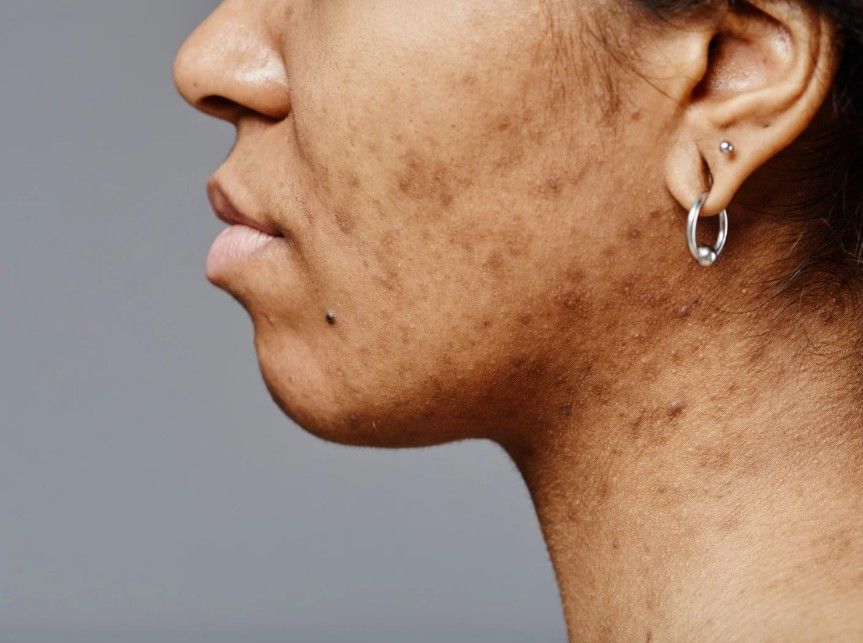
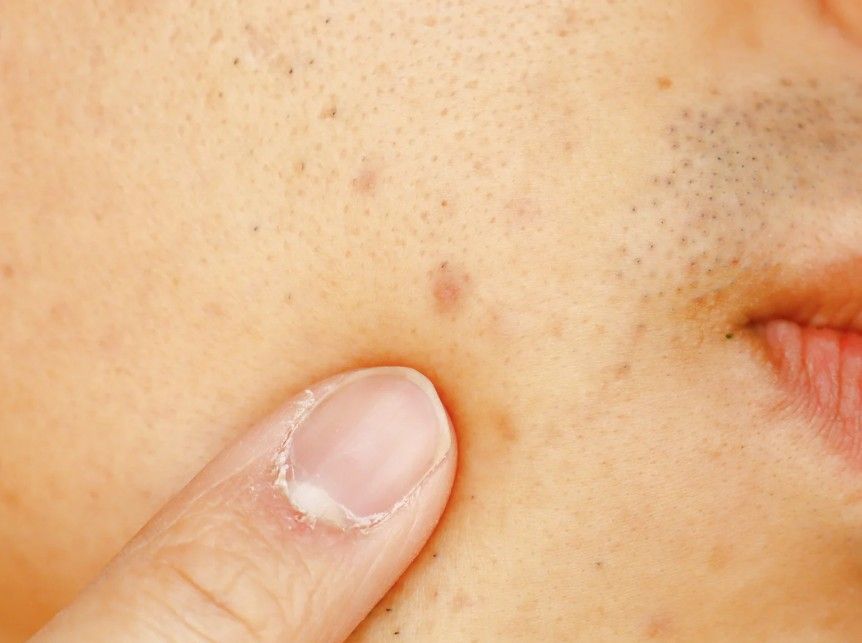
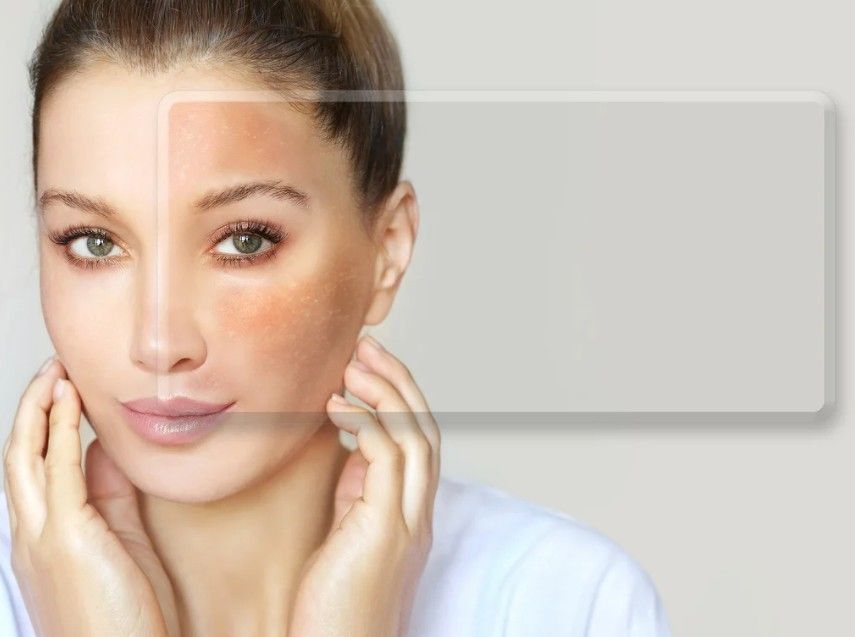
Hyperpigmentation & Sun Damage
The most common form of pigmentation - areas of skin that have darkened due to cumulative sun exposure. This includes age spots, liver spots and the general uneven, mottled skin tone that develops with sun damage over time. This type of pigmentation typically responds well to a combination of IPL, chemical peels and a targeted home care regimen including active ingredients and daily SPF.
Melasma
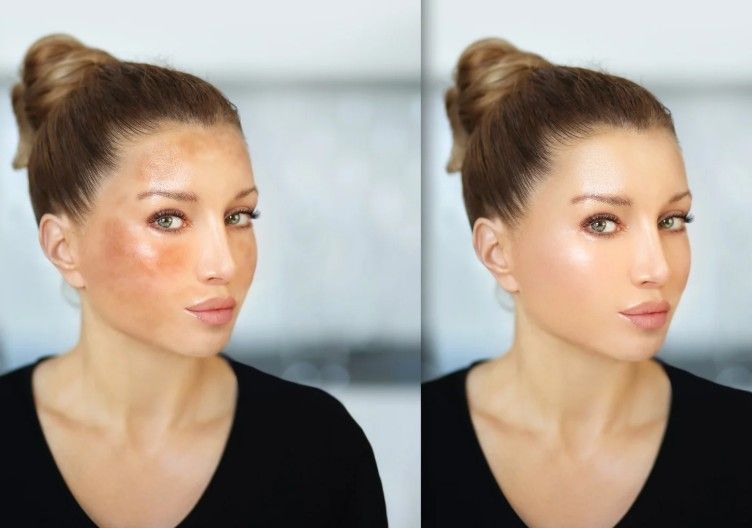
Melasma presents as larger, more diffuse patches of pigmentation — typically across the cheeks, forehead, upper lip and chin — and is strongly associated with hormonal influences. It is notably more common in women and can be significantly worsened by sun exposure, making ongoing sun protection an essential component of any melasma treatment plan. Melasma requires a particularly careful and considered treatment approach, as it can be reactive to heat and certain laser wavelengths if not correctly assessed.
Post-Inflammatory Hyperpigmentation (PIH)
PIH develops when skin inflammation — most commonly from acne — triggers an overproduction of melanin as the skin heals, leaving behind dark marks even after the original lesion has resolved. It is particularly prevalent in medium to deeper skin tones and can persist for many months without treatment. The most effective approach addresses both the pigmentation itself and — where acne is still active — the ongoing source of inflammation.
Freckles & Ephelides
Genetic freckling is generally benign and for many clients is simply a cosmetic preference. Where clients wish to reduce the appearance of freckling, IPL and certain peel protocols can achieve a significant lightening effect, though complete removal is rarely achievable or appropriate as a treatment goal.
Pigmentation Treatments Available at the Skinutrition Clinic
Treatment selection for pigmentation is one of the areas where professional assessment makes the greatest difference to outcomes. The wrong treatment applied to the wrong pigmentation type — or to the wrong skin tone — can worsen pigmentation or cause new pigmentation to develop. Every treatment I recommend is based on a thorough assessment of your specific presentation.
IPL Photo Rejuvenation
Intense Pulsed Light is one of the most effective treatments available for sun damage, age spots and uneven skin tone caused by UV exposure. IPL works by targeting the melanin in pigmented lesions with precise light energy, breaking down the pigmentation so it can be naturally cleared by the body. Results are typically visible after a single session for superficial pigmentation, with a course of treatments recommended for more significant or widespread sun damage.
IPL requires careful assessment for clients with medium to darker skin tones and is not suitable for active melasma, which is why thorough consultation before treatment is essential.
Chemical Peels
Professional chemical peels accelerate skin cell turnover, progressively clearing pigmented cells from the skin's surface and revealing fresher, more evenly toned skin beneath. Different peel types and strengths are suited to different pigmentation concerns:
- Glycolic acid peels work on the skin's surface to brighten overall tone and address mild sun damage and uneven pigmentation
- Lactic acid peels offer a gentler brightening effect particularly suited to sensitive skin or clients new to peels
- BioRePeel provides a more intensive resurfacing effect suitable for more established pigmentation and skin tone concerns
A course of peels combined with a targeted home care routine including active brightening ingredients and daily SPF typically produces the most consistent results for pigmentation.
Microneedling
For post-inflammatory pigmentation and the textural unevenness that frequently accompanies it, microneedling stimulates collagen production and accelerates cellular renewal, progressively improving both skin tone and texture. It is particularly effective for PIH following acne and can be combined with targeted serums delivered into the skin during treatment to enhance brightening results.
Carbon Laser Facial
The carbon laser facial stimulates cell renewal and improves overall skin tone, texture and radiance. It is a useful complementary treatment for clients with mild pigmentation concerns alongside other skin tone issues, and carries less risk of post-treatment pigmentation than some other laser modalities, making it suitable for a broader range of skin tones.
The Critical Role of Sun Protection in Pigmentation Treatment
No pigmentation treatment will deliver lasting results without consistent, daily sun protection. Ultraviolet radiation is the primary driver of most pigmentation concerns, and any treatment that clears existing pigmentation can be rapidly undone by continued unprotected sun exposure.
As part of every pigmentation treatment plan I will advise on:
- The correct SPF for your skin type and lifestyle — minimum SPF 30, ideally SPF 50 for active pigmentation concerns
- The difference between chemical and mineral sunscreens and which is most appropriate for your skin
- The importance of reapplication and year-round use — not just in summer
- Additional protective measures relevant to your lifestyle
This guidance is not an afterthought — it is an integral part of your treatment plan and one of the factors that most significantly determines how well your results are maintained long term.
Nutrition, Hormones & Pigmentation
For clients with hormonally driven pigmentation — particularly melasma — nutritional and lifestyle factors play a meaningful supporting role in treatment. As a qualified nutritional therapist as well as a skin specialist, I am able to consider these factors as part of your overall treatment approach.
Relevant nutritional considerations for pigmentation include:
- Antioxidant intake — vitamins C and E, polyphenols and carotenoids all help protect against UV-induced oxidative stress and support skin's natural defence against pigmentation formation
- Hormonal balance — nutritional support for oestrogen metabolism can be relevant for clients with melasma driven by hormonal imbalance
- Vitamin D — while sun exposure drives pigmentation, vitamin D deficiency is common in the UK and supplementation may be relevant for overall skin health
- Anti-inflammatory diet — reducing systemic inflammation supports the skin's healing response and can reduce post-inflammatory pigmentation following acne
Pigmentation Treatment for All Skin Tones
Treating pigmentation in medium and deeper skin tones requires particular care and expertise. Certain treatments — including some IPL protocols and aggressive peels — carry a risk of causing post-inflammatory pigmentation in darker skin tones if incorrectly calibrated, which can worsen the very concern being treated.
I treat clients of all skin tones and Fitzpatrick types at the Skinutrition Clinic, and always conduct a thorough assessment before recommending any treatment protocol. For clients with medium to deeper skin tones, I will select the treatment modalities and parameters most appropriate to your skin's specific characteristics, ensuring both safety and effectiveness.
Frequently Asked Questions - Pigmentation Treatment Coventry
How do I know what type of pigmentation I have?
The most reliable way to determine your pigmentation type is through a professional skin assessment. Some pigmentation types - particularly melasma versus sun damage - can look similar to the untrained eye but require very different treatment approaches. Getting this assessment right before beginning treatment is one of the most important steps in achieving good results.
Can pigmentation be permanently removed?
For sun damage and post-inflammatory pigmentation, long-term clearance is very achievable with the right treatment protocol and consistent sun protection. Melasma is a more complex condition that tends to require ongoing management rather than permanent resolution — it can be significantly reduced and kept well controlled, but hormonal and UV triggers mean it can recur without consistent preventative measures in place.
How many sessions will I need?
This varies depending on the type, depth and extent of your pigmentation. Superficial sun damage can show significant improvement after one to two IPL sessions. More established or deeper pigmentation typically requires a course of four to six treatments. I will give you a specific recommendation during your consultation.
Is pigmentation treatment safe during pregnancy?
Most clinical pigmentation treatments are not recommended during pregnancy due to increased skin sensitivity and the hormonal changes that can affect treatment response. If you are pregnant or trying to conceive, please mention this during your consultation and I will advise on the safest options available to you at that time.
Will my pigmentation come back after treatment?
It can, particularly with ongoing sun exposure or hormonal changes. This is why sun protection guidance and, where relevant, nutritional support for hormonal balance form an essential part of every pigmentation treatment plan at the clinic — not just the in-clinic treatments themselves.
Can you treat pigmentation on the body as well as the face?
Yes. Sun damage, post-inflammatory pigmentation and age spots can appear on the décolletage, hands, arms and other body areas, and most of the treatments I offer can be adapted for these areas. Please mention any body pigmentation concerns when you book your consultation.
Interested in our other skin treatments?
I'm here to help!
The Skinutrition Clinic is a fully insured, licensed and experienced skin clinic in Coventry, providing advanced clinical pigmentation treatments personally delivered by Lee-Ann. Every treatment plan is built around a thorough assessment of your specific pigmentation type and skin tone — never a generic brightening protocol.